
Federal Milk Marketing Orders and an Organic Dairy Lawsuit
Originally published in the Summer 2026 edition of the OEFFA newsletter.
Modern transportation and refrigeration allow for raw milk to be transported over long distances to processors and consumers. Imagine a time when this was not the case, and dairy farmers were limited to shipping their milk to local creameries and cheese plants.
Grade A fluid milk that goes into a carton or jug has a relatively short shelf life compared to other dairy products, and it offers the highest price to the farmer in the dairy market. On the other hand, concentrated dairy products, like cheese and butter, require pound for pound more milk to produce, have a stronger shelf life, and can sometimes use older or lower quality milk. Because of this, cheese processors often pay less to farmers for this milk.
Back in the day, if you were lucky enough to farm close to a Grade A fluid milk bottling plant, then you benefited from the premium price paid. Pricing was dictated by how the milk was utilized locally and by supply and demand in the farmer’s immediate proximity.
Become an OEFFA member to receive our beloved quarterly print and digital newsletter!
In the 1930s, to address this market inequity and volatility, the USDA introduced the Federal Milk Marketing Order (FMMO) program. This program essentially made milk a regulated commodity, like corn and soybeans. The intention was to set minimum pricing and promote orderly marketing through collectively influencing the supply, demand, and price.
Covering eleven geographic areas of the country, each FMMO establishes provisions under which dairy processors (handlers) purchase raw milk from dairy farmers. This system defines four classes of milk based on the products created from milk. These include:
- Class I: fluid milk;
- Class II: soft products like ice cream, yogurt, cottage cheese;
- Class III: hard and spreadable cheese; and
- Class IV: butter and powdered milk products.
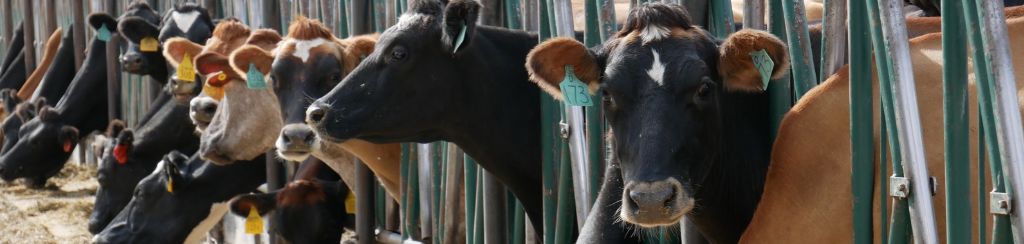
The main components in milk, besides water, are butterfat, protein, and other nonfat solids. The components in raw milk can vary due to breed, feed, and production methods. For example, a large Holstein cow may produce 75 pounds of milk per day with 4 percent butterfat and 3.4 percent protein, while a smaller bodied Jersey cow might only produce 40 pounds of milk per day but with 5.25 percent butterfat and 3.9 percent protein. High butterfat milk is more useful to a processor making butter and ice cream, while high protein and other solids are important to the cheesemaker, and a fluid milk producer may put a higher priority on volume than components.
Each month, dairy processors submit a report to the FMMO that details the amount of raw milk received, the amount and type of product produced, and an accounting of the components in the raw milk and finished products. All the reports are then combined to determine how the milk was utilized across the FMMO for that month. Since processors for each product place a different value on the raw milk needed, market-wide “pooling” is used to determine the average “blend” price. This blend price is the minimum price that farmers must receive for milk marketed under the FMMO, regardless of the end use or “utilization” of their milk. The farmer whose milk goes into a Grade A carton receives the same blend price as the farmer whose milk ends up as powdered milk.
The FMMO sets a minimum base price each month that farmers must be paid for their milk and sets pricing for butterfat and nonfat solids. The farmer is also paid a premium for components in their milk that are above minimum levels set by the FMMO.
Because the price paid to farmers is not determined until after their milk has been utilized by the processor, farmers receive two payments for their milk each month. The first payment is an advance payment made during the delivery month and is a partial payment determined by the FMMO. The second payment is paid the following month, once the milk has been pooled, and final utilization has been reported by the processor.
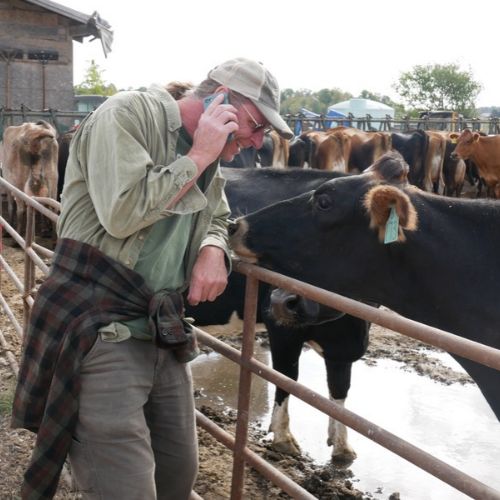
Another function of the pool is to redistribute funds among processors so they all can afford to pay at least the minimum blend price to farmers. If a processor reports high utilization for high value Class I products, then the regulated value often exceeds the blend price. In this case, the processor pays the difference into the pool. If another processor uses milk for lower value Class III products, the value of their milk may be below the blend price, so they can draw from the pool to pay the minimum blend price to farmers.
The FMMO is a complex and dynamic program with layers of complexity and calculations added over the years to remain relevant and effective. As always, if you have questions, comments, or need resources about FMMO, contact an OEFFA educator at (614) 421-2022 or agricultureeducators@oeffa.org.
Organic Dairy Lawsuit
Regarding the FMMO, there has been some recent news relevant to organic dairy production. The Coalition for Organic Dairy Exemption (CODE), composed of Aurora Organic Dairy, Horizon Organic Dairy, and CROPP Cooperative (Organic Valley) recently filed suits against the U.S. government. One part is seeking an exemption for organic dairy from the FMMO, and the other is seeking compensation for organic farmers who are required to pay into the pool when they are not served by it.
Elvin Ranck, an organic dairy farmer and plaintiff from Pennsylvania, was quoted in a CODE press release, saying, “The federal government has locked in an updated dairy pricing regulation that actively harms organic dairy farmers. It systematically siphons revenue generated from organic dairy sales and redistributes it to non-organic dairy producers and their partners… CROPP Cooperative, of which I am an owner-member, pays millions of dollars each year into the Federal Milk Marketing Order pools, yet those dollars never return to organic farmers like me, and under the current system, they never will. At some point, we have to stand up for ourselves.”
From 2006 to 2025, organic fluid milk sales grew from 1.9 percent to 7.0 percent, with more than 10 percent of U.S. dairy farms being certified organic. With the organic industry continuing to grow, organic dairy producers have been seeking discussion about this situation and have not found a resolution. CODE does not seek to dismantle the FMMO program but rather wants organic dairy to be excluded from the pricing system. You can learn more about this news at coalitionfororganicdairyexemption.com.